“There’s only ever been one fatality,” our tour guide said as we boarded the UK’s steepest cliff railway.
He assured us it was way back in 1943, during maintenance work on the two carriages, when one broke away and crushed an engineer as it crashed into the lower station.
By this time, the 201ft water-balanced funicular, with a 33-degree incline, had already been open for half a century. After the tragedy, it was converted to electric winding gear.
Bridgnorth Cliff Railway was built to connect the old river port and warehouses of Low Town with the commercial, civic and religious centre of High Town, built on a sandstone plateau.
Exiting the railway at the top station we joined Castle Walk, a promenade offering views across the Severn valley said by Charles I to be the finest in his kingdom.
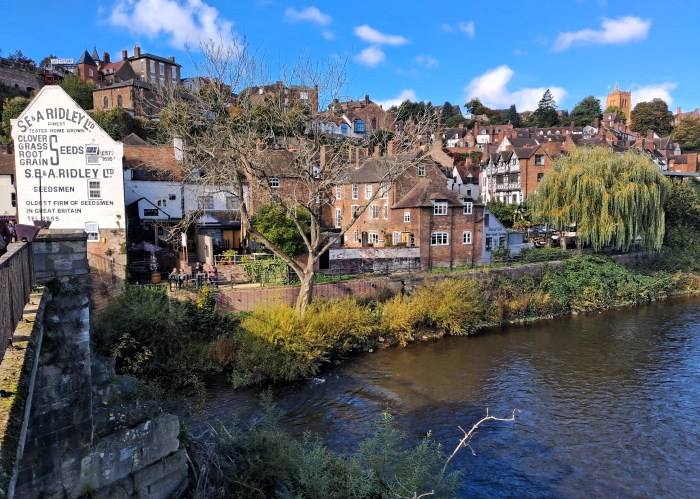
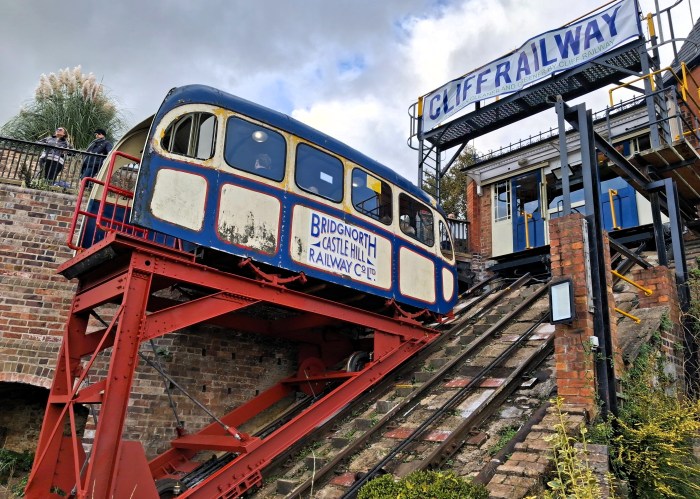
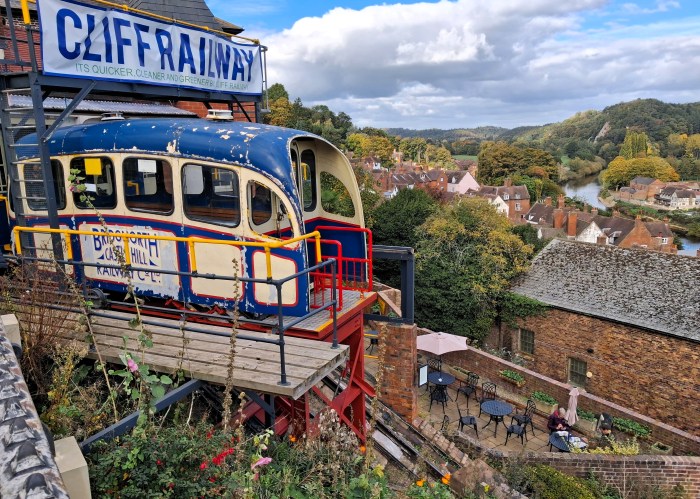
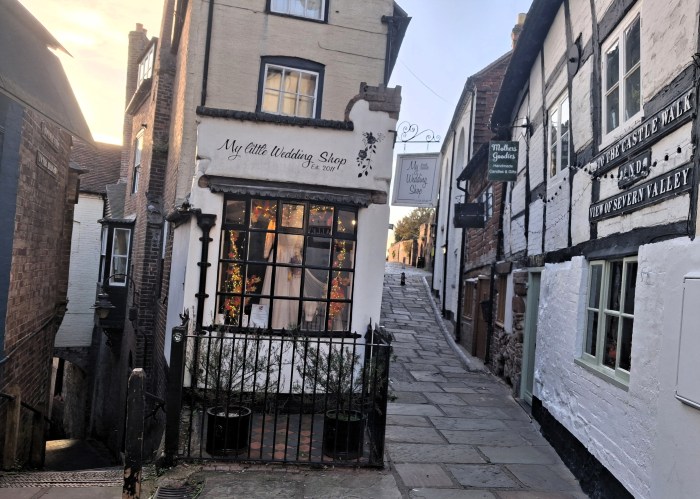
Our guide was Clive Gwilt, whose books and pamphlets line the shelves of the town’s library, and there was so much to learn that our scheduled two-hour walk lasted four hours.
He led us along the prom to the delightful pleasure gardens which lie on the site of a medieval castle, which was blown up after the Civil War by Oliver Cromwell’s raiding troops.
All that’s left is part of the keep, which leans at an improbable 15 degrees. I made my kids pose for photos, arms outstretched, as if they were stopping it from collapsing, like they do in Pisa.
A fire lit by Royalists retreating to the castle during the Civil War resulted in most of High Town being burned to the ground, leaving 300 families homeless. But there is still much to see.
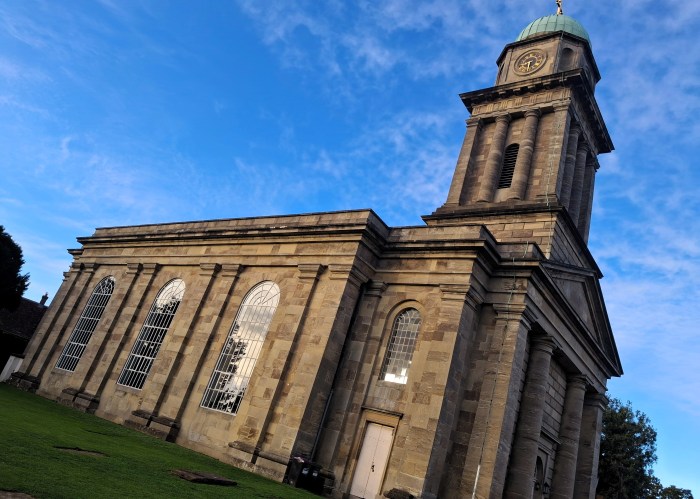
Staying within the old castle bailey, we headed for the handsome St Mary’s Church, designed by Thomas Telford in 1792 with tall arched windows, Tuscan columns and a domed tower.
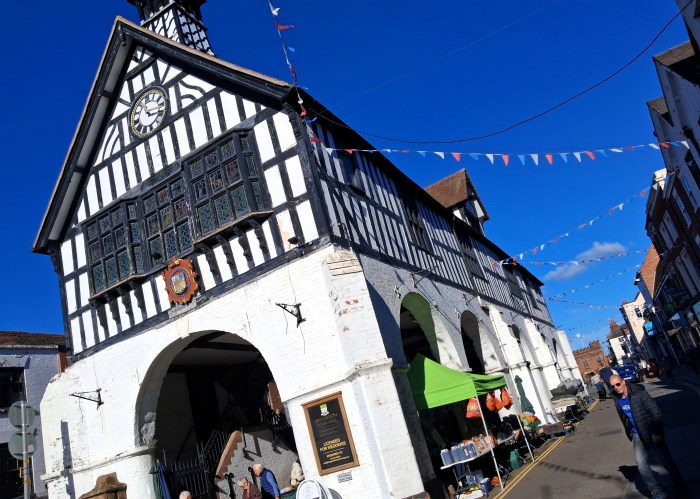
Built shortly after the Civil War, the timber-framed Town Hall, in the middle of the High Street, rests on stone arches, with the space below hosting markets, as it always has done.
We stopped by the town’s museum in the heavily rebuilt Northgate, the only one of five town gates still standing and now packed full of interesting and unusual artefacts.
It was here we learned of the secret documents which revealed Hitler’s plan to use a Bridgnorth mansion as his Midlands headquarters, had he managed to invade Britain.
The Cartway, a steep picture-postcard street, is so-called because until 1786 it was the only route by which horses could pull wagons between upper and lower Bridgnorth.
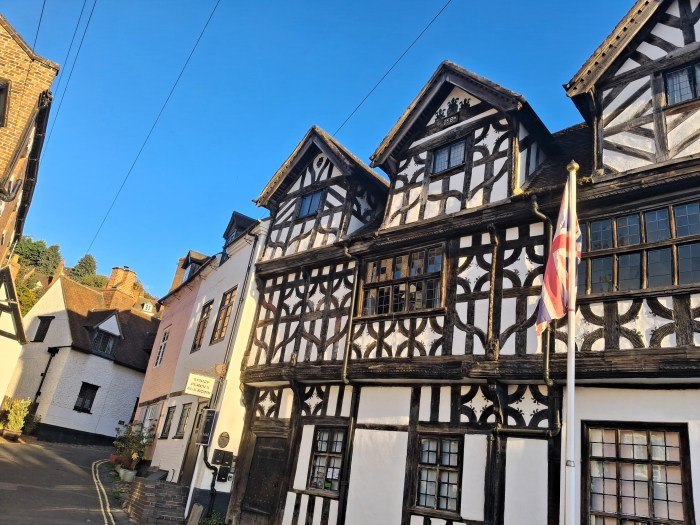
We stopped in The Cartway for coffee at the striking Bishop Percy’s House (1550), which was one of the town’s few timber-framed houses to survive the town’s great fire.
Outside of working hours, when the cliff railway isn’t operating, the town’s split personality offers plenty of opportunities for residents and visitors to get in some exercise.
Seven steep alleyways connect Low Town and High Town, the longest having 178 steps. Four ascend to the promenade and two to the sandstone St Leonard’s Church.
Located in what resembles a cathedral close, the church is worth a visit.
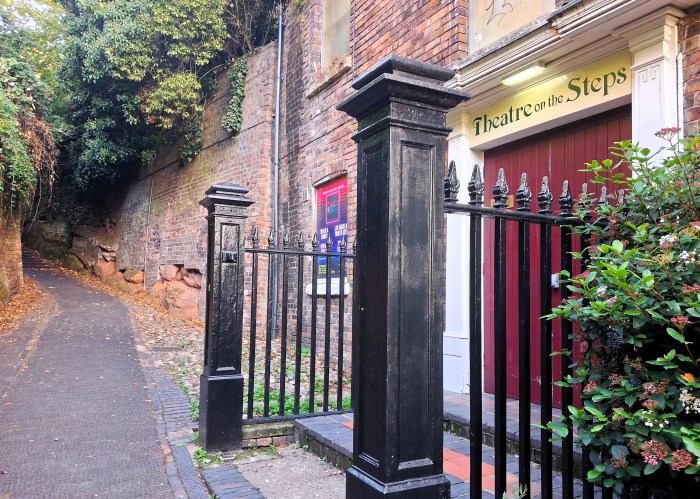
Halfway up Stoneway Steps is the inconspicuous Theatre on the Steps, converted from a 300-year-old chapel built into the cliff. Hearing howls of laughter coming from within one evening was surreal.
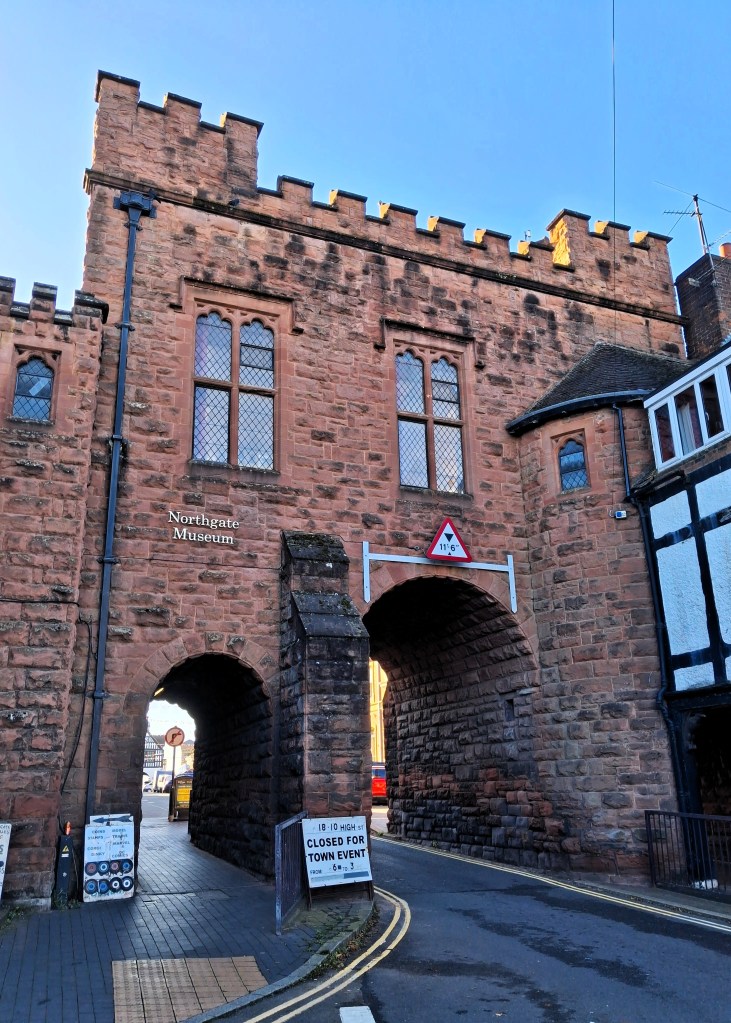
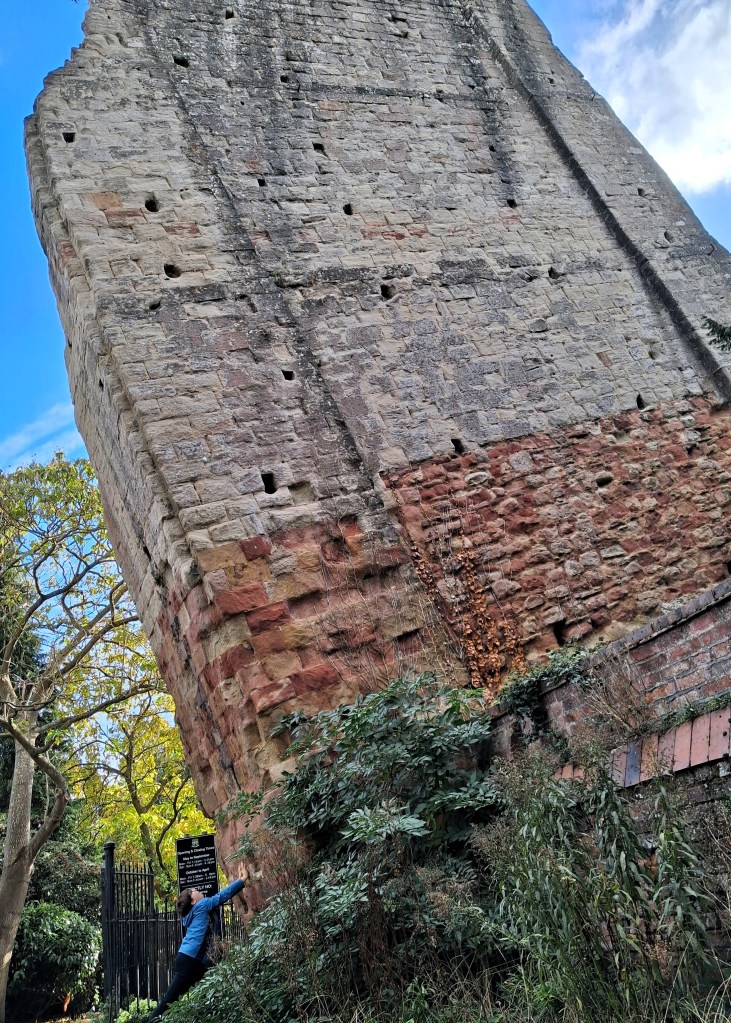
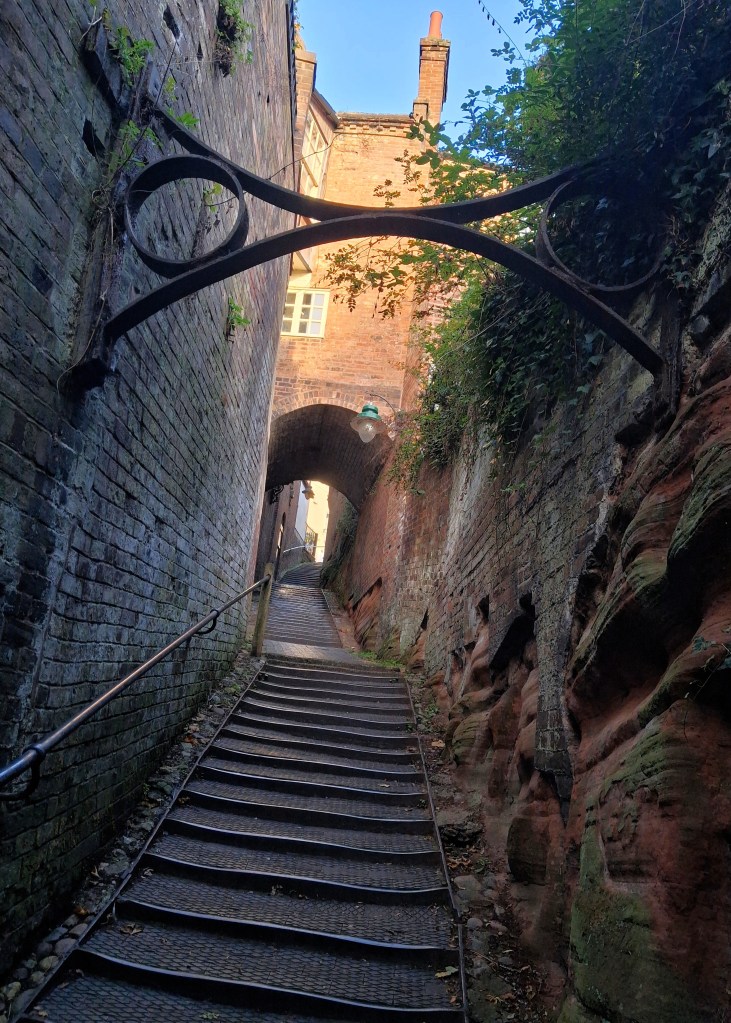
- Northgate Museum, castle ruins and Stoneway Steps, Bridgnorth
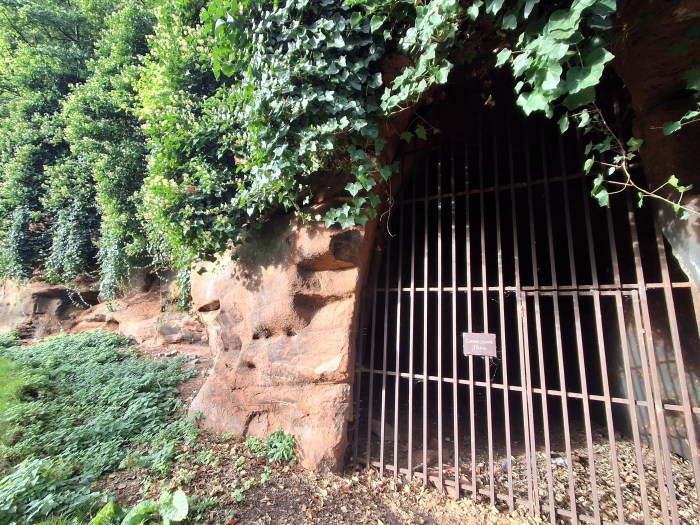
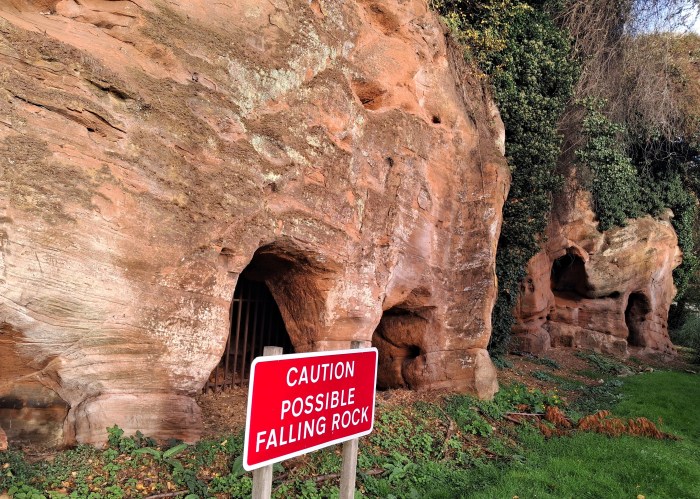
Walking the steps you notice that cottages are also cut into the soft rockface, along with once-inhabited caves. But the biggest cave, named Lavington Hole, was not dug for living in.
In 1646, while Bridgnorth was under siege by Parliamentary troops, a Colonel Lavington started tunnelling through the sandstone up towards the castle in an attempt to break the stalemate.
The Royalists feared it was a plot to blow up its munitions stash, but their enemies were probably just bluffing as the angle carved out of the rockface was never steep enough.
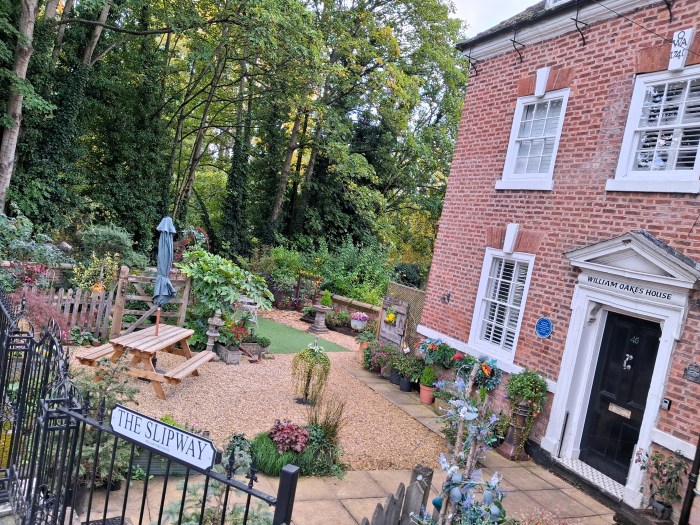
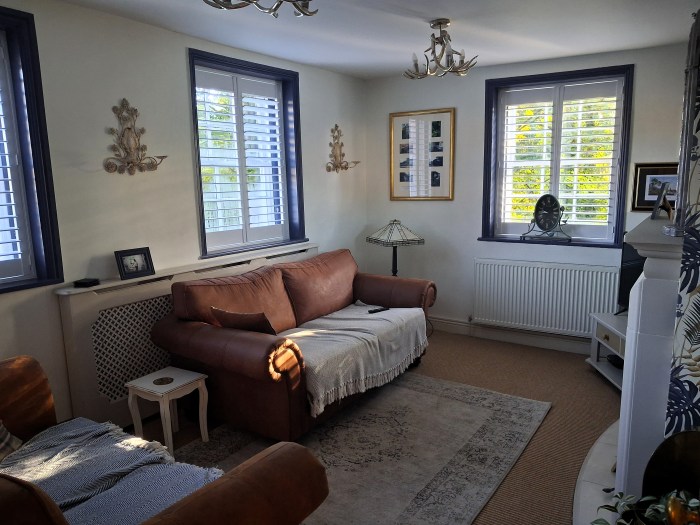
Directly opposite the cave, in Underhill Street, is William Oakes House, built in 1741 and named after Bridgnorth’s foremost boat builder – and our home for the weekend.
Oakes’ family lived and worked at the riverside property for over 120 years, building vessels crucial to Bridgnorth’s thriving river trade, including sea-going ships of over 300 tons.
The business collapsed shortly before the arrival of the railway in Bridgnorth in 1852, which ties in with the other famous former inhabitant of William Oakes House.
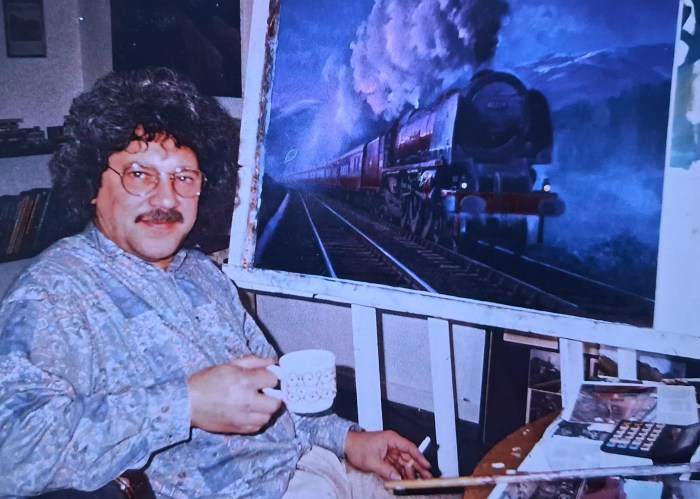
Birmingham-born John Austin was a renowned railway artist who used the property’s sitting room as his studio from 1987 to 2014, creating many of his celebrated paintings there.
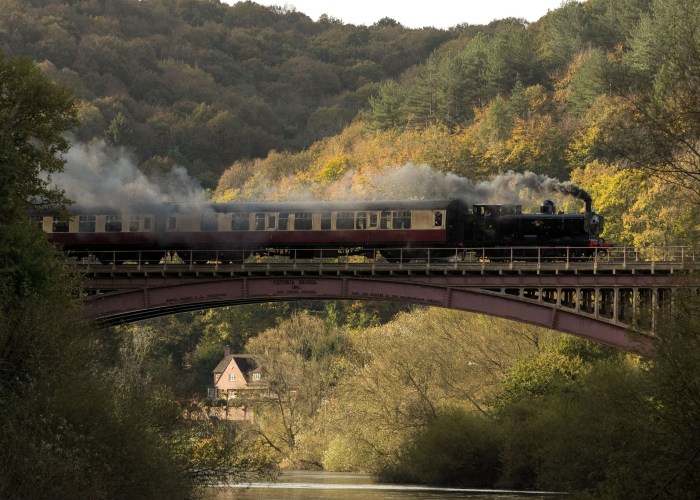
The multi-award-winner volunteered at the Severn Valley Railway, a heritage line between Bridgnorth and Kidderminster, so he could perfect the minute details of steam engines.
Austin was also a regular at the station’s pub, The Railwayman’s Arms.
His paintings adorn the property’s walls, there are photos of him at work, and guests can read all about his career and artwork in a copy of his hardback book Smoke, Steam & Light.
A blue plaque honouring both William Oakes and John Austin was unveiled at the property by the town’s mayor this year, following a campaign led by our guide Clive.
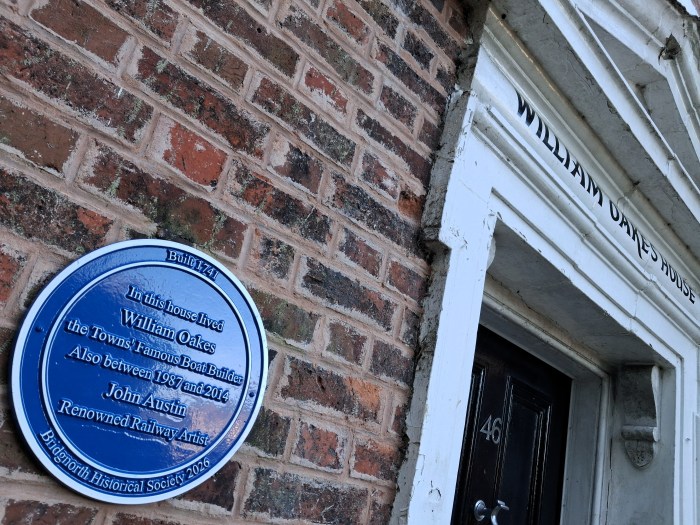
Speaking at the time, Clive said of Oakes: “His achievements helped establish Bridgnorth as an important centre of shipbuilding, and it is only fitting that his legacy is recognised today.’’
The unveiling was also attended by Austin, who now lives in Dawlish, where the main line to Cornwall runs along the spectacular coast, offering him plenty of fresh inspiration.
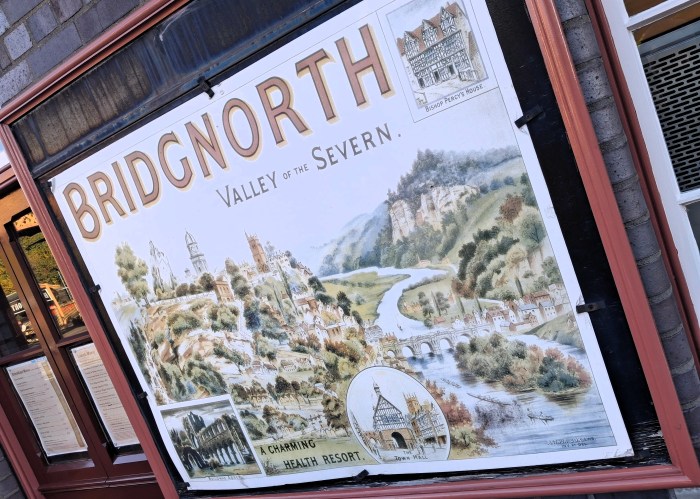
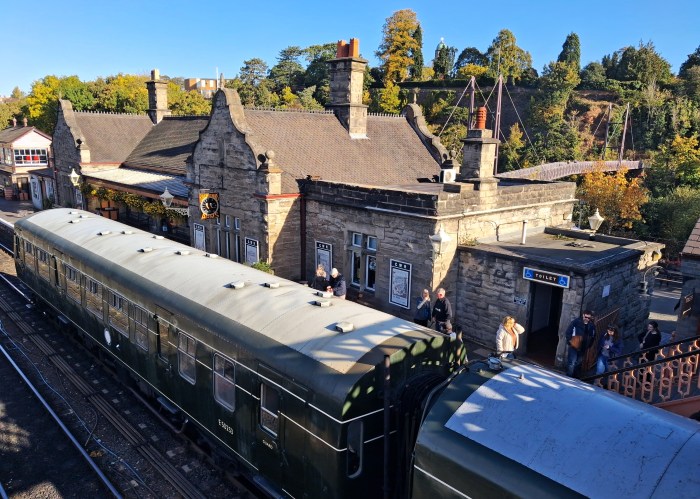
Bridgnorth station is only a five-minute walk from the property.
It is home to a replica of engineer Richard Trevithick’s Catch Me Who Can, the world’s first steam locomotive to haul fare-paying passengers, built in Bridgnorth in 1808.
We had a family Freedom of the Line ticket for unlimited all-day travel, although you’d need a full weekend to enjoy all of the blast-from-the-past stations and their surroundings.
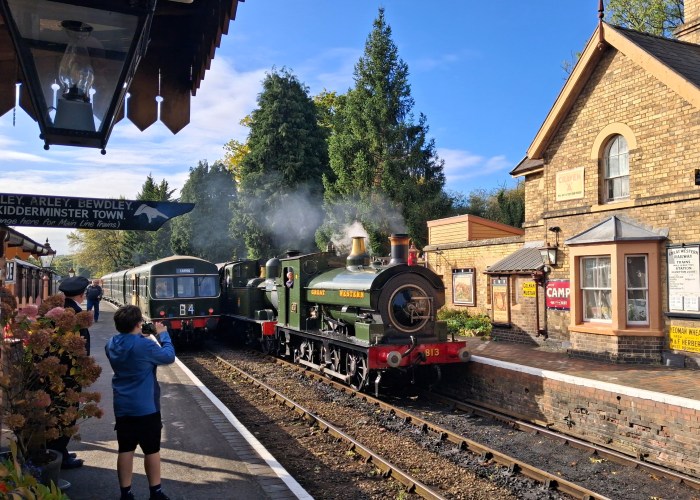
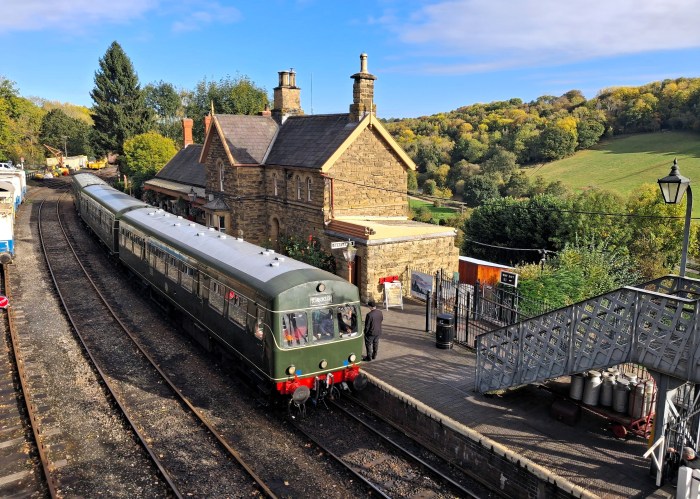
The remote Hampton Loade, Highley and Arley stations, especially, are like something from The Railway Children,
We caught a diesel-hauled train to Highley where we disembarked to visit The Engine House, a museum of locomotives where you can peek through the windows of King George VI’s carriage.
Then we caught a steam train all the way to Kidderminster (home to another museum) and back to Bridgnorth. As the train passed Bewdley we could spot rhinos and camels at the West Midlands Safari Park.
It was just one more reason to choo-choose Bridgnorth for your next break.
WHERE TO STAY
The Georgian property William Oakes House offers a perfect blend of character, history and modern comfort.
Its welcoming kitchen-diner, lounge, utility, well-appointed bathroom with bathtub and three double bedrooms are linked by an elegant twisting staircase.
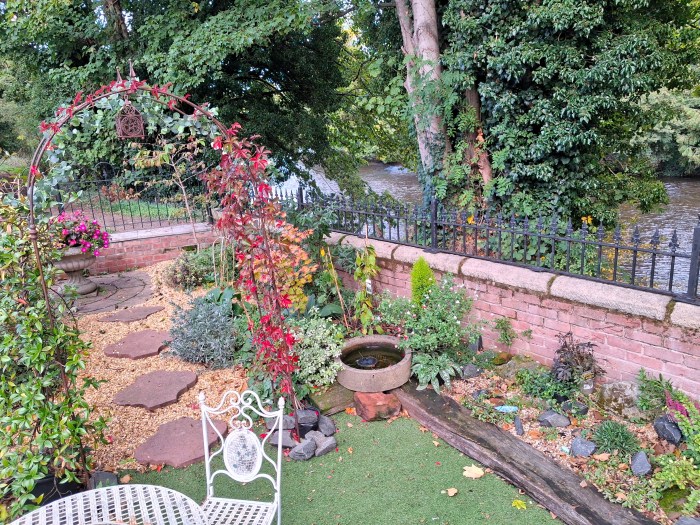
The dog-friendly property has off-street parking for two cars (three at a squeeze) and part of the old boat yard is now a pleasant riverside garden with plenty of furniture.
It costs from £124 per night. Book through Pass the Keys, which has a selection of properties in and around Bridgnorth.
WHERE TO EAT
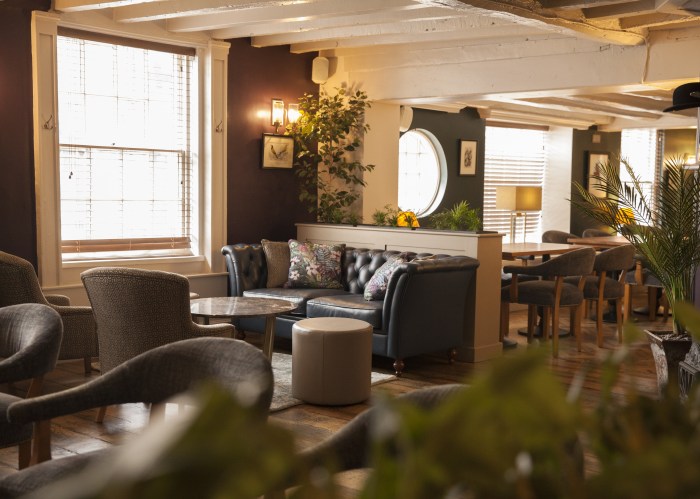


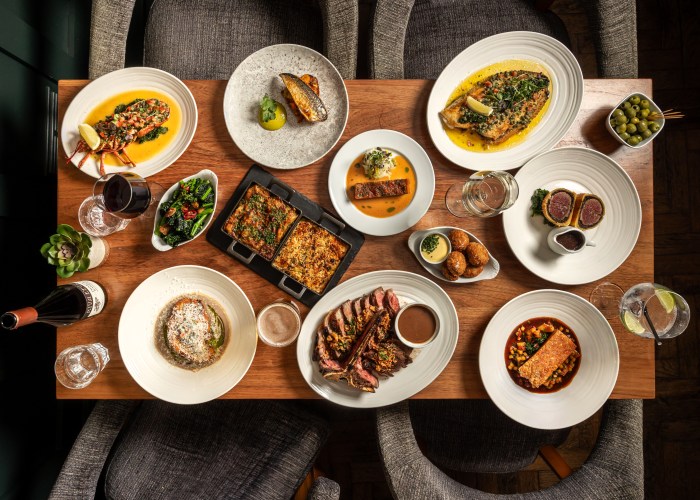
During our weekend we were treated to meals at two of Bridgnorth’s leading restaurants, both of which lived up to their reputations.
Dilraz, in Whitburn Street, High Town, was named Best Restaurant of the Year at the 2026 Curry Life Awards.
Among the dishes sampled by mystery diners was the signature Royal Garlic Butter Murgh, consisting of succulent pieces of grilled chicken in a smooth sauce.
I can vouch that the dish was a worthy winner. Last month, Dilraz also won the Shropshire Curry Experience of the Year.
Acre, just across the bridge in Low Town’s St Johns Street, has quickly gained a reputation for excellence since opening earlier this year.
A British chop house, it focuses on seasonal local produce and seafood, but also catered very well for my vegetarian wife and children during our visit.
Located within The Falcon Hotel, a 17th-century Grade II-listed coaching inn, it serves up bold flavours and a choose-your-own menu, and it has been gaining rave reviews.
Again, the meals were a highlight of our weekend.
- For more information on the attractions of Bridgnorth and surrounding areas see Visit Shopshire
- Bridgnorth History Tour, by Clive Gwilt, is available in paperback on Amazon


